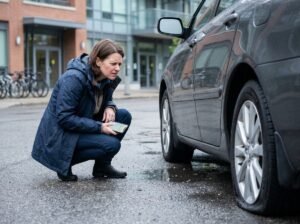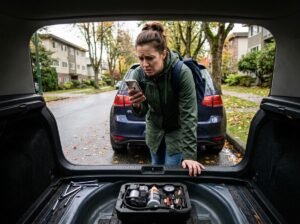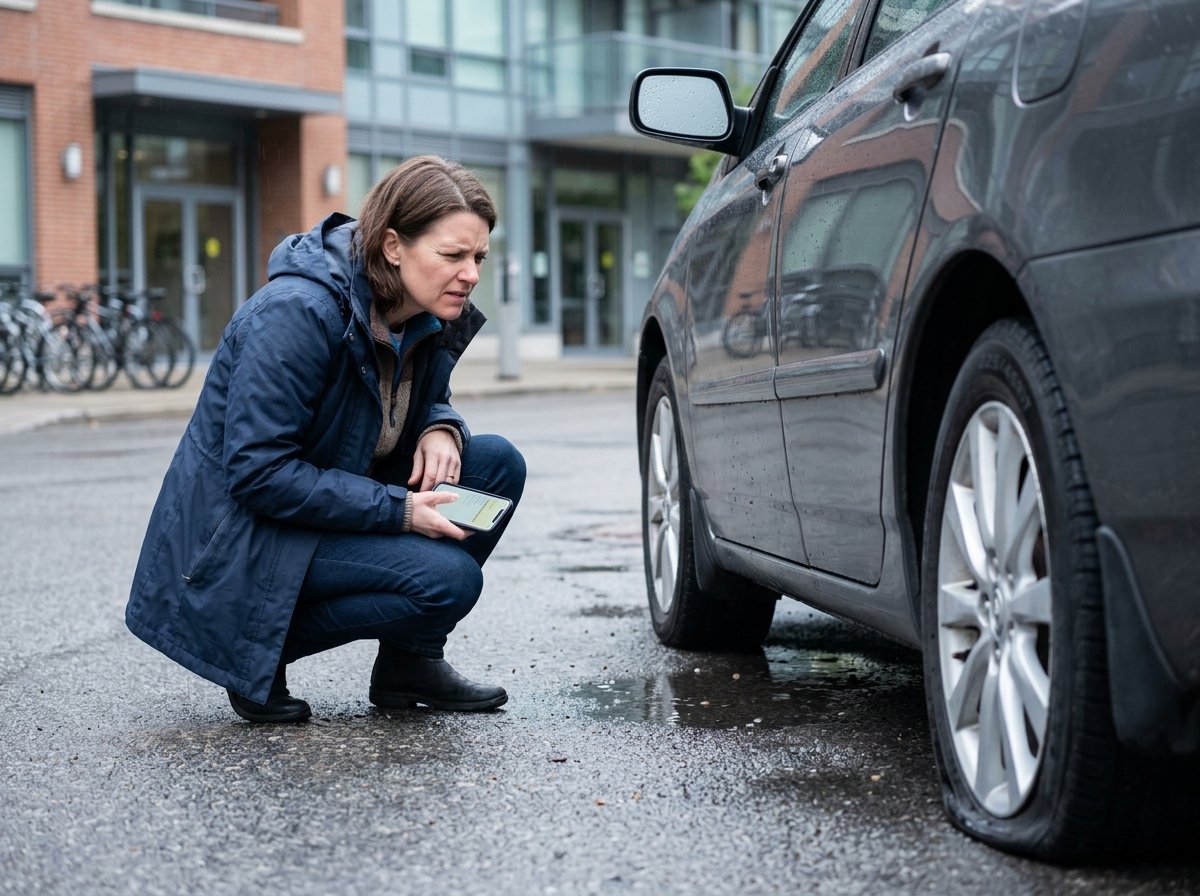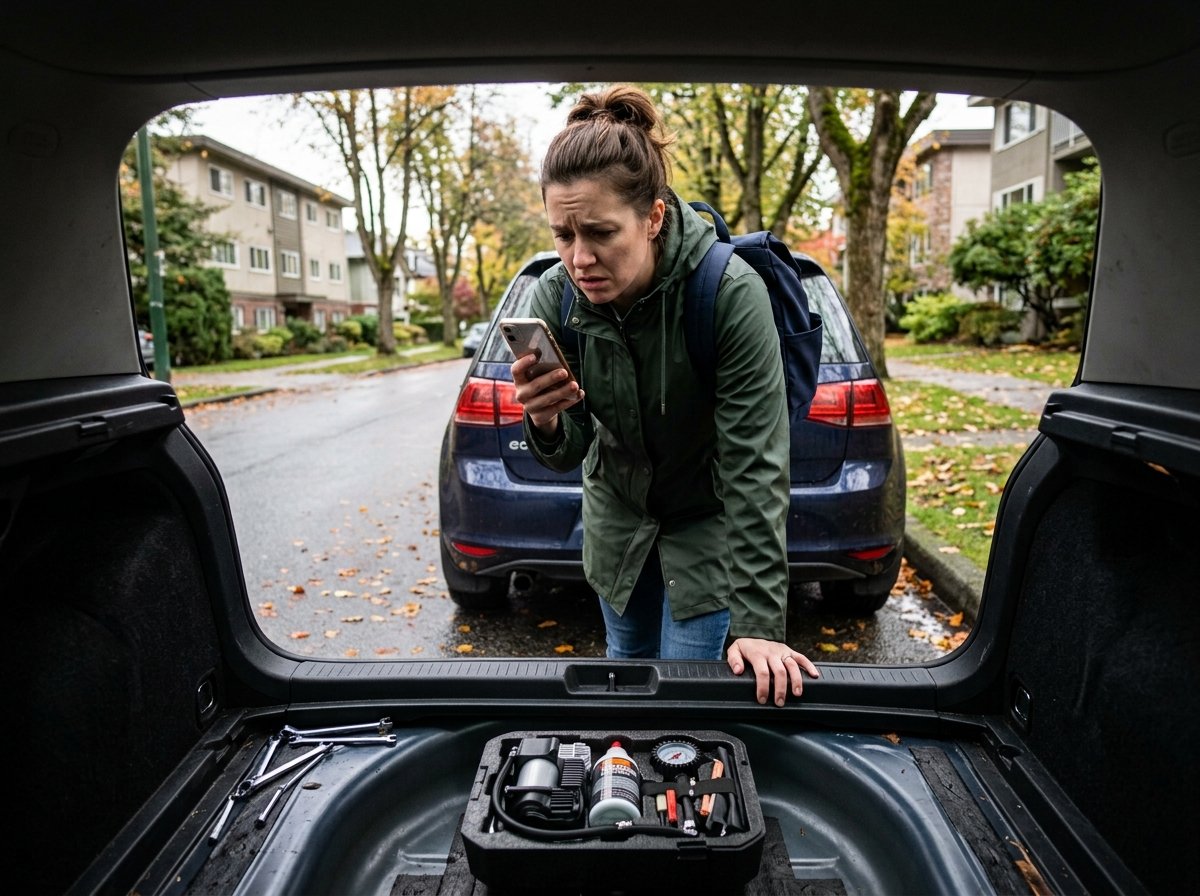
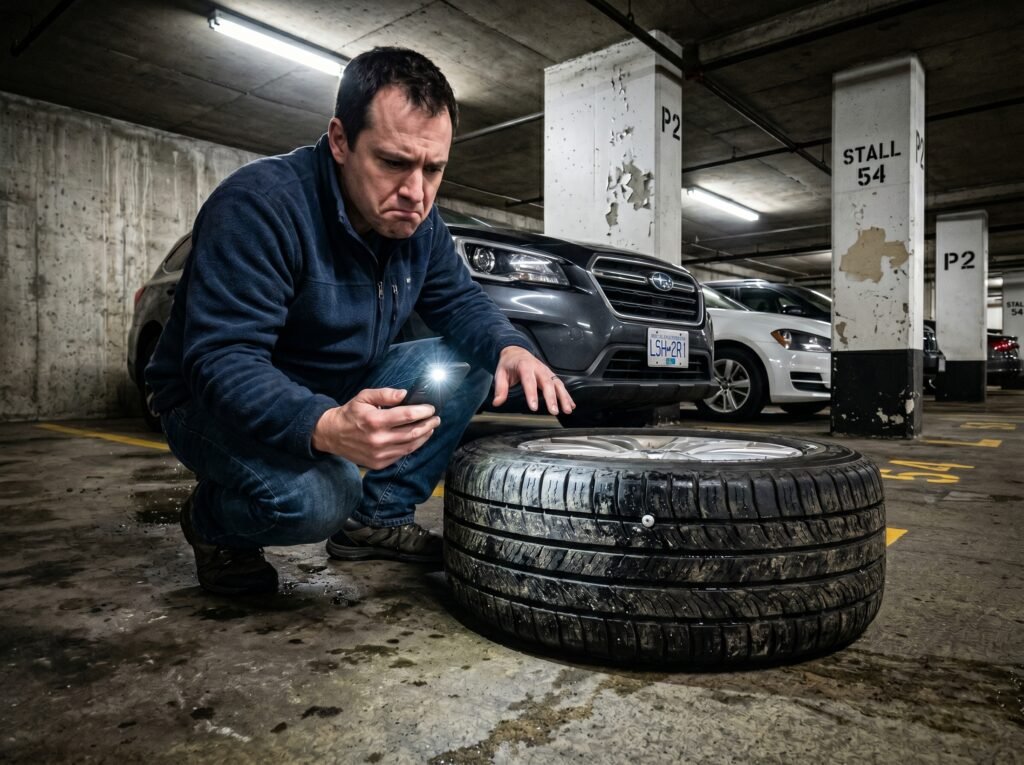
A slow leak feels small until your tire warning light comes back on in a low parkade. If the tire is soft or dropping air again, book tire puncture repair services before you drive far. M7 Mobile Tire Service can check the tire where the car sits if access is safe.
Quick overview
- The tire looks low but is not fully flat yet.
- The TPMS light keeps coming back after you add air.
- The car is in P1, P2, or a tight East Van parkade stall.
- You are not sure if the tire needs a plug, patch, valve stem, or replacement.
In this guide
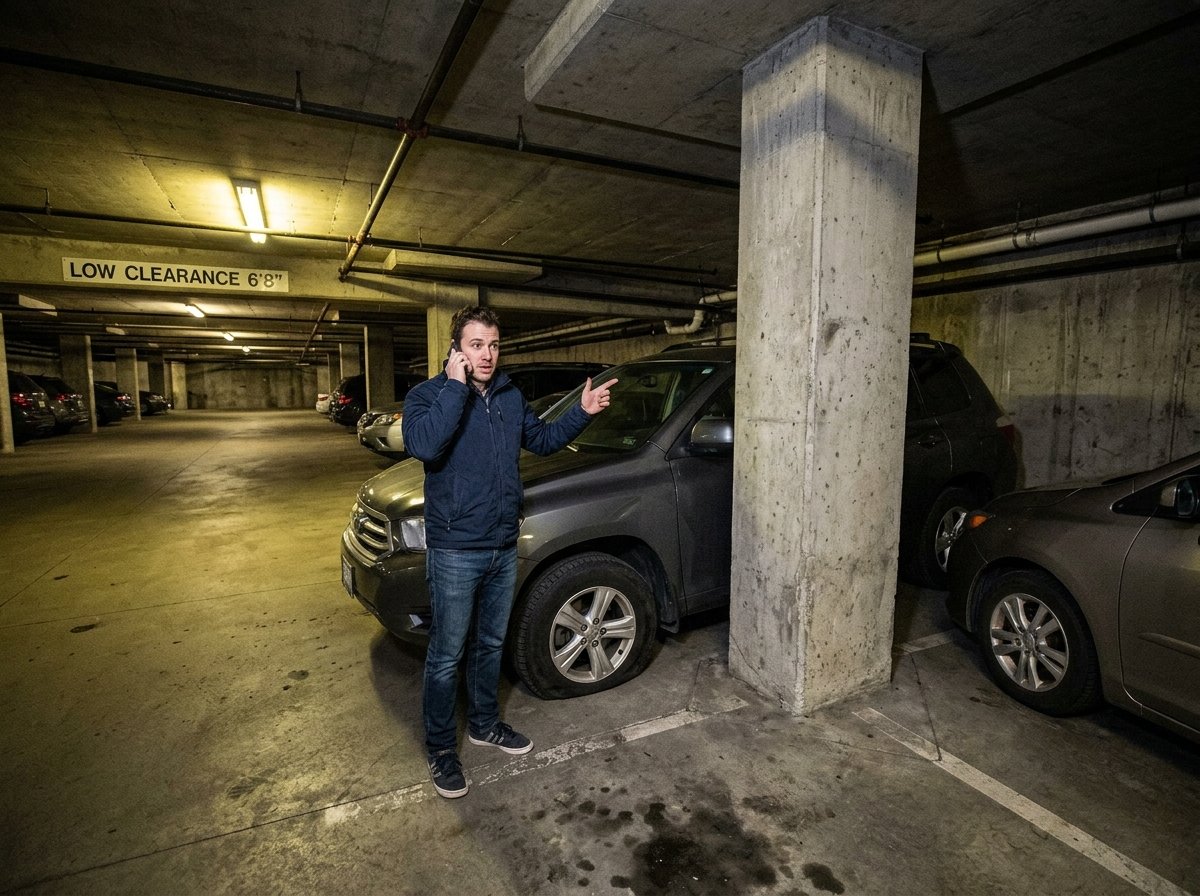
- Share the parkade level, stall number, gate code, and height limit when you book.
- Ask for a clear quote and text ETA before you wait by the car.
Simple version: treat a slow leak like an active tire problem.
- Park in a safe spot and do not block the ramp.
- Take photos of the tire, tread, valve stem, and parking stall.
- Send the tire size from the sidewall if you can read it.
- Ask if the repair can be done on-site or if the tire must be replaced.
TLDR: What to do when a tire slowly leaks in a parkade
- Do not keep topping it up and driving across Vancouver if the air drops again.
- Give clear parkade access details before the technician is dispatched.
- A safe repair depends on where the leak is and how the tire looks inside.
What a slow leak in an East Van parkade usually means
A slow leak means air is leaving the tire little by little. It may be from a small puncture, a loose valve, or a rim seal issue. For East Van drivers, slow leak repair is useful when the car is stuck at home, work, or a parkade and you do not want to risk more damage.
Context (what matters in this situation):
- A nail or screw can hold air for hours before the tire drops again.
- A valve stem leak may hiss only when the stem is moved.
- A bead leak can get worse after curb contact or cold weather.
- A sidewall leak is usually not a safe repair area.
How a parkade slow leak call usually goes
The best call starts with clear details. Tell the dispatcher if you see a screw, if the tire is nearly flat, and whether the car can be reached by a service vehicle. If the leak looks like a puncture, nail in tire repair may be checked first.
What this usually looks like (real-world flow):
- You notice the warning light before leaving the parkade.
- You add air once, but the pressure drops again.
- You check the stall and see a nail, screw, or wet mark.
- You send the address, level, gate details, and tire size.
- The technician checks if the tire can be repaired safely.
Details to confirm (so you get the right help fast):
- Good photos help confirm access and tire condition faster.
- Low ceiling height may change where the technician can park.
- A flat tire may need air before the car can be moved a few feet.
What you should get as the outcome:
- If repair is safe, the tire can be sealed and checked for leaks.
- If the tire is damaged inside, replacement may be safer.
- If the rim or valve is the issue, the quote may change after inspection.
NEED FAST SERVICE?
Fast Arrival. Professional Mobile Tire Service, Anytime, anywhere. We come to you.
Flat tire? We’ll come to you. 🚚💨 On-site tire patch, change, or swap—fast. Call now for immediate help, or book online anytime.
Membership limits, hidden costs, and review checks
Roadside plans can help, but they may not cover every parkade or tire repair issue. Ask what is included before you book, especially if you need emergency flat repair outside normal hours. Clear questions help you avoid surprises.
Limits / constraints (what can slow things down):
- Some plans may send a tow instead of a mobile tire repair.
- Some plans may not cover private parkades or low-clearance access.
- Some plans may only install a spare if you have one ready.
- Some plans may not include tire parts, stems, patches, or new tires.
Hidden costs to watch for:
- Ask if parkade access changes the service fee.
- Ask if after-hours service changes the quote.
- Ask if valve stems, patches, plugs, or disposal cost extra.
- Ask if the quote changes if the tire cannot be repaired.
What to do now if the tire is losing air
If the tire is soft, avoid a long drive. Use roadside flat repair when the car is safer staying parked than moving through traffic. Give dispatch clear access notes so the job can be priced and routed properly.
- Send the exact address, nearest entrance, level, stall number, and phone number.
- Send a photo of the tire size and any nail, screw, or sidewall mark.
Our recommendations for East Van slow leaks
Choose tire patch services when the puncture is in a safe tread area and the tire condition allows it.
Ask about tire plug services only after the tire is checked because not every puncture should be plugged.
Do not drive far if the tire is hot, very soft, or making a thumping sound.
Move the car only if it is safe and only if the technician asks you to.
Tell dispatch if the parkade has a low roof, gate buzzer, fob entry, or visitor stall rule.
Ask what happens if the tire cannot be repaired before you approve the job.
Safety steps before help arrives
Start with safety, not speed. A bad valve or low tire can get worse when moved, so valve stem repair should be checked if air leaks around the stem. Stay visible and keep the car out of the ramp lane.
A good option is:
- Turn on hazard lights if the car is near traffic or a parkade lane.
- Do not kneel behind the car in a blind corner or ramp lane.
- Keep kids and passengers inside the building or away from moving cars.
- Do not remove a nail or screw before the tire is checked.
- If the tire is almost flat, do not drive it to a gas station.
Scenario 1: The leak starts after a curb hit
A curb hit can bend a rim edge or break the seal where the tire meets the wheel. In that case, bead leak repair may be part of the check. Do not assume it is only a nail if the leak started after a scrape or hard bump.
Do this:
- Look for rim marks, sidewall bubbles, or a tire pulled away from the wheel edge.
- Tell dispatch if the car hit a curb or pothole before the leak started.
- A rim issue may need more than a simple puncture repair.
Scenario 2: The TPMS light comes on but the tire still rolls
If your tire pressure light comes on in an East Van parkade, do not ignore it because the tire still looks round. Some vehicles need special checks, and run-flat repair rules can be different. The safe next step is to check pressure and inspect the tire before a long drive.
We recommend this:
- Write down which tire the car shows as low if the dash tells you.
- Do not reset the warning light until the tire is checked.
- Tell dispatch if the vehicle uses run-flat tires.
Scenario 3: A work vehicle has a slow leak in a shared lot
A slow leak on a work vehicle can delay more than one job. For repeat routes or shared company parking, fleet tire repair helps keep the process clear. Send vehicle number, tire size, and parking details so the right repair path can be checked.
Here’s a simple path forward:
- Give the driver name and vehicle unit number if there is one.
- Share the lot rules if service vehicles must check in first.
- Ask for a written quote before the repair starts.
Suggested plan:
Step 1: Book with the right tire details
Send the tire size, photo, stall number, and leak symptoms when you request help. This makes the quote cleaner and can answer the same checks covered in our mobile tire puncture repair quote questions guide.
Step 2: Share the parkade access clearly
Tell dispatch the entrance street, level, stall, ceiling height, gate code, buzzer name, and whether a technician can park near the car. A pin can help, but plain words are better when GPS points to the wrong side of the building.
Step 3: Pick the closest service path
Choose the option that best matches what you see. The technician can still change the plan after checking the tire, but the first choice helps dispatch understand the job.
Transport Canada tire pressure guide
This official tire pressure guide explains why low pressure can damage a tire and affect safety. It also shows why you should not judge pressure by looks alone. Read the Transport Canada tire pressure guide before you keep driving on a slow leak. It is a helpful safety check when your tire warning light keeps coming back.
FAQs about mobile tire puncture repair in East Van parkades
Can I drive on a slow leak to a tire shop?
Only drive if the tire holds safe pressure and the route is short. If the tire is soft, hot, or dropping air fast, stay parked and book help. Driving too far can ruin a repairable tire.
Can a mobile tire technician work inside a parkade?
Often yes, if the area is safe and access is clear. Send the height limit, entry gate details, and stall number before booking. If the service vehicle cannot enter, the technician may guide you to a safer nearby spot.
Do I need a plug or patch for a puncture?
It depends on the puncture location, tire condition, and damage inside the tire. A repair in the shoulder or sidewall is usually not safe. This plug, patch, or replace guide explains the basic choice in simple terms.
What if I have no spare tire?
Do not assume you can drive on the flat just because the shop is close. Many newer cars do not carry a full spare. Use this no spare tire guide to know what details to send before booking.
What if the slow leak is from the valve stem?
A valve stem leak may look like a puncture at first. The technician can check the stem, cap, and seal before deciding what repair is needed. Tell dispatch if you hear air near the valve.
What should I send when I ask for a quote?
Send your name, phone number, exact address, parkade level, stall number, tire size, and photos. Mention if the tire is fully flat or just low. Clear details help avoid a wrong quote.
Flat tire? Need new tires installed? We come to you.
Mobile tire change, flat tire repair, and tire inflation at home, work, or roadside. Book online in minutes or call now.